Enhanced LPPU™ Screening Study
To perform a screening study for the Enhanced LPPU™, clients must provide specific well and facilities data to help pinpoint the best candidate wells and estimate potential production uplift.
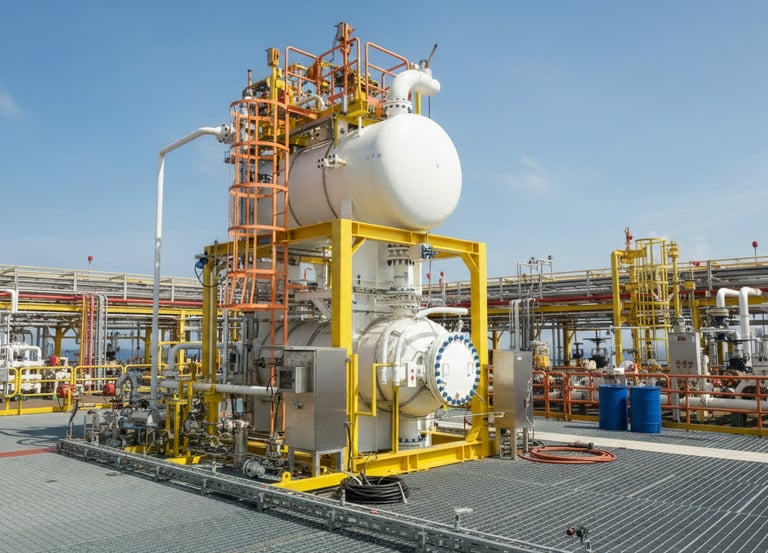
Pressure Data:
Both the current Flowing Wellhead Pressure (FWHP) and the existing production header pressure are critical to determine if the well falls within the 1:1.5 to 1:4 effective pressure boost envelope.
Fluid Split:
Detailed information on the multiphase split to understand the ratio of gas to liquids.
Flowrates:
Accurate daily production volumes for gas, oil, and produced water.
Temperature:
The operating temperature of the well stream must be provided to ensure it meets the standard design rating of ≤ 70°C
Fluid Chemistry:
Specific data regarding H2S and CO2 content is necessary to tailor the technical specifications of the unit.
Enhanced LP-CRS™ Screening Study
To perform a screening study for the Enhanced LP-CRS™, clients must provide detailed gas and facility data. This information allows the engineering team to estimate potential NGL recovery volumes, determine the correct module sizing, and calculate the total emissions impact tailored to your specific site.
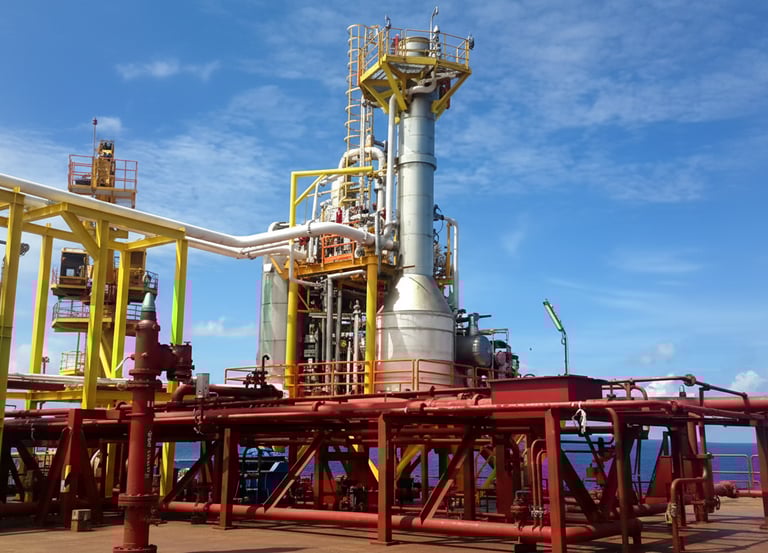
Flowrates:
Your typical or expected operating flowrate is needed to select the appropriate standard skid model, which ranges from 3 to 22 MMscfd
Pressure and Temperature:
The inlet gas conditions—specifically the inlet pressure (typically between 3 to 10 barg) and inlet temperature (ideally ≤45 Deg C)—are required to verify the system's chilling and condensation efficiency
Gas Composition:
A detailed breakdown of the gas (from C1 through C5+) is essential because the system's performance and NGL yield are heavily dependent on the "richness" of the feed gas
Operating Hours:
This data is used to provide accurate annual recovery and revenue forecasts
Request a Screening Study for Your Asset

Contact Us
Contact our Lagos Sales Office at the email below
sales@coreflow-systems.com
© 2026. All rights reserved.